How Does ABA Speech and Language Therapy Build Better Communication Skills?

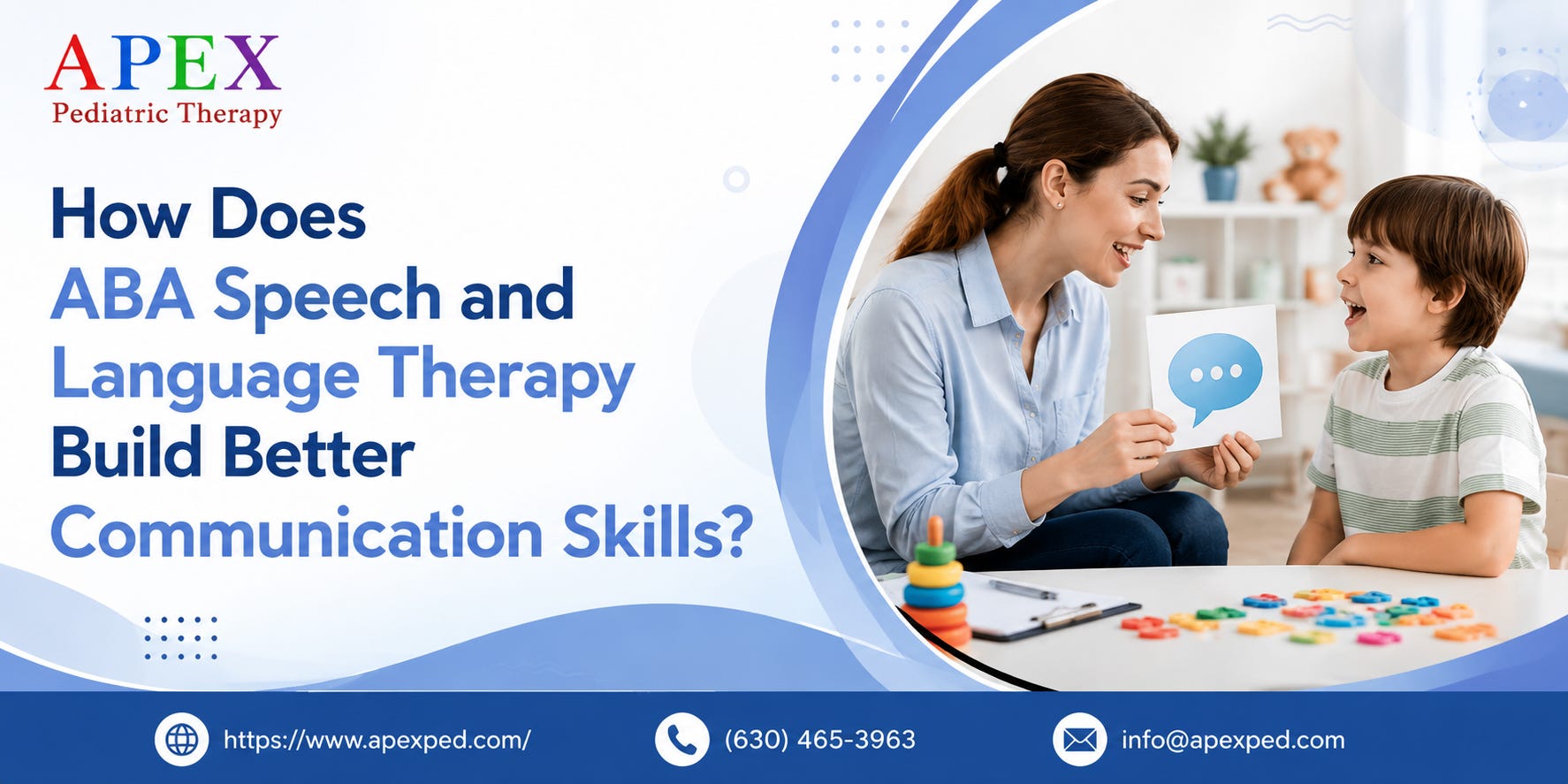
Some kids talk later than planned. Some people have words but can’t use them in a discussion or can’t tell what they want or don’t grasp what people are saying. Simple activities such as asking for help, joining a game or following instructions can become tedious when communication is difficult.
One method might be to recommend ABA speech and language therapy. This strategy emphasises on the behavioural learning tactics and communication goals, which may be used by the children in everyday circumstances and not just on speech. Therapy is individualised to the child’s present skills, so each step is doable, and development is made gradually over time.
Understanding how communication skills are developed through ABA makes it much easier for Australian parents to select the correct help when considering therapy.
We will discuss how ABA speech therapy techniques are employed, what communication skills are often addressed and how therapy can be integrated into a child’s daily routine in this post.
Communication Starts Long Before Conversation
Children communicate in various ways before they are confident speakers. They point, they make eye contact, they utilise gestures, they respond to facial emotions, and they eventually learn. That communication enables them to connect with the world around them.
When these skills don’t develop as predicted, therapists first assess a child’s current communication before setting new learning goals. Therapy doesn’t race through milestones. It strengthens each ability, one at a time, and adapts as confidence rises.
Helping Children Share Their Needs
One of the early goals is to help children express themselves in ways that minimise frustration and foster positive connections with others.
Sessions may help the child with : Depending on the existing abilities of the child:
Ask for help when needed
Follow simple instructions
Respond to everyday questions
Build vocabulary through meaningful activities
Participate in simple conversations
Use alternative communication methods where appropriate
Some children may also receive ABA speech and occupational therapy, allowing communication and everyday functional skills to develop alongside one another.
Building Confidence in Social Communication
Communication is more than just speaking. Children also learn to listen, to wait their turn, to understand social cues and respond in conversation.
These skills are generally taught through controlled play, guided activities and real world scenarios. That allows youngsters to practise spontaneously.
How Behavioural Strategies Support Language Development
Therapists don’t usually use just one teaching strategy. Instead they blend several ABA speech therapy techniques depending on how each child learns best.
Modelling, encouragement, repetition and positive reinforcement are typical ways to develop communication without overloading the youngster. As children get better and better at new skills, therapists begin to step back from their support to help them communicate independently.
Learning doesn’t stop at the end of a session. Some families select ABA therapy home services where therapists can work on communication during regular routines like meals, playtime or getting ready for the day. Others like to go to sessions at a clinic. The environment may be different but the purpose is the same encouraging youngsters to use communication skills with confidence in everyday life.
Helping Communication Grow Beyond Therapy Sessions
Parents and carers are encouraged to reinforce the methods introduced in therapy. Simple encounters throughout the day might help youngsters feel more comfortable using new communication skills they have learnt in real world situations.
Support can be delivered in a variety of venues depending on the needs of the family. Some children do well with clinic-based programs, and some children do well with ABA therapy home services, where the therapist can work in familiar routines and situations.
Working Alongside Other Therapies
Many youngsters will see more than one therapist for help. Communication difficulties can occasionally impair play, study or everyday routines and this is when the different therapeutic providers might work together.
For some families, ABA speech and occupational therapy is an opportunity to develop communication skills while simultaneously supporting practical abilities such as dressing, feeding, play and involvement in daily activities. When therapists collaborate and have shared goals children generally have more opportunities to practise the same skills in diverse contexts.
Frequently Asked Questions
How long does it take to improve communication skills?
Every youngster has a varied growth rate. How long this takes will depend on individual goals, current communication abilities and how regularly new skills are exercised in everyday contexts.
Can speech therapy and ABA be used together?
Sure. Speech and behavioural treatment can be complementary to each other when appropriate, allowing communication from diverse perspectives while working towards similar goals.
Are communication goals adjusted as children grow?
Yes. Therapists routinely reassess progress and adjust goals to make sure therapy continues to be responsive to the child’s evolving abilities, needs and developmental level.
Helping Children Communicate With Greater Confidence
Communication is at the heart of practically everything a child does in a day, from asking for help and establishing friends to being involved in family activities. Strengthening these skills needs time, effort, and support that fits each child’s specific learning style.
ABA speech and language therapy combines a structured learning approach with practical, everyday experiences to help children build communication skills. That will serve them long after they leave the therapy setting. ABA treatment services are delivered in either a clinic or in the home. There is always a goal of helping children speak with more confidence in the most important places and times.